A repeatable, low-effort monthly privacy audit you can finish in half an hour. No threat model required, no specialist tools, just the six checks that catch most of what matters.
Jesse William McGraw
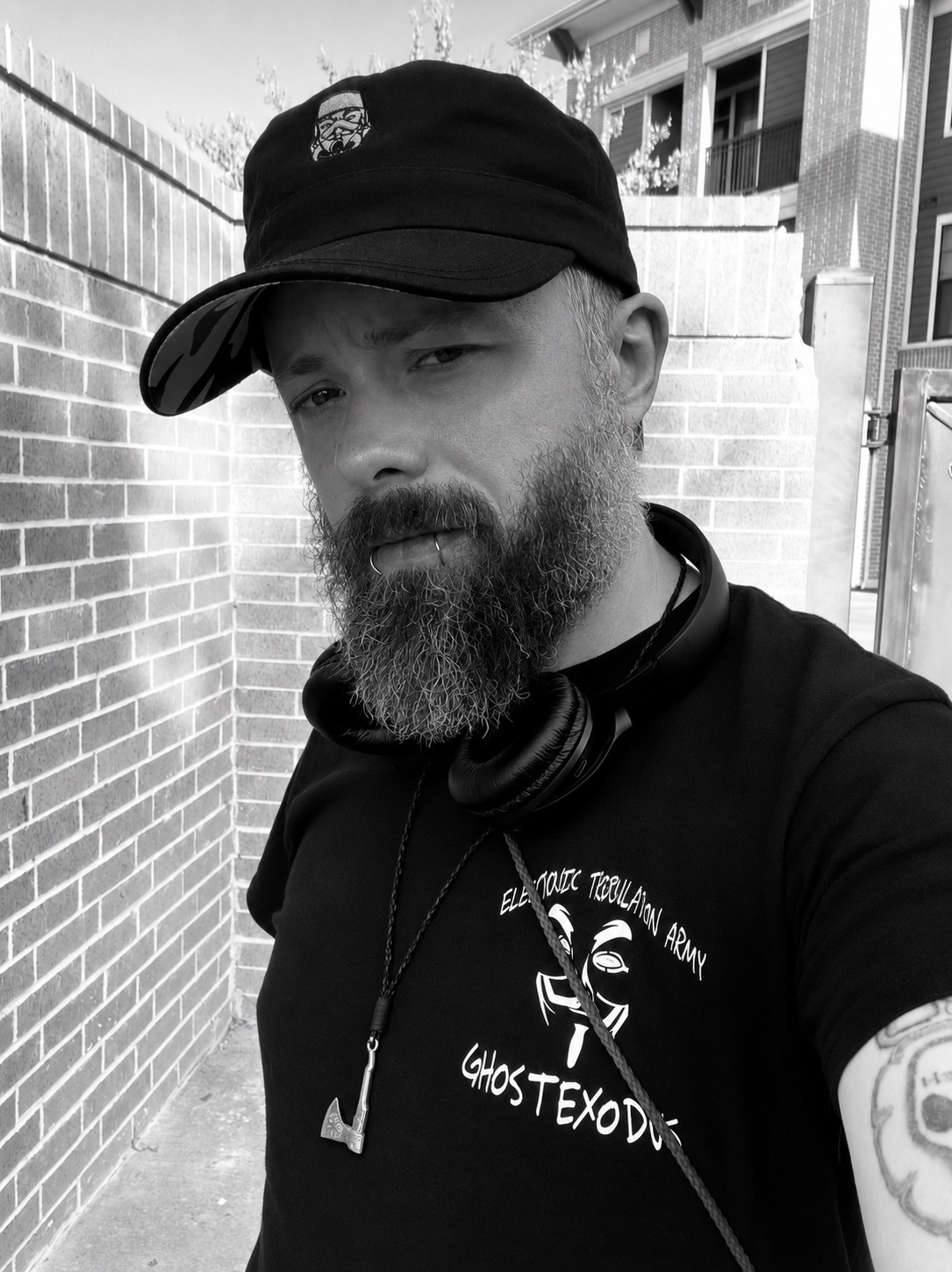
Jesse William McGraw
Jesse William McGraw, also known as GhostExodus, is a former insider threat and threat actor. He became the first person in recent U.S. history to be convicted of corrupting industrial control systems. Today he focuses on threat intelligence, OSINT, and public speaking, using his knowledge to bring awareness to the security risks that organisations and individuals face.
A practical OPSEC checklist for indie security researchers, journalists, and bug-bounty hunters working from home. Network segmentation, hardware separation, identity hygiene, and the small habits that make the difference.
A practitioner’s OSINT methodology for tracking ransomware infrastructure in 2026: the seven sources to monitor, how to correlate them, and the operational hygiene that keeps your work credible.
Ten geolocation sources that never let me down on an OSINT investigation, ranked by how often they crack the case. Free where possible, paid where necessary.
A practitioner’s playbook for Telegram OSINT in 2026: how to discover channels, fingerprint admins, archive content, and build defensible attribution without burning your access.
How journalists and OSINT analysts keep their personal accounts, devices, and identity separate from the investigations they run. Defensive opsec, not evasion.
The five-stage workflow that separates an OSINT analyst from someone with a bookmarks bar full of tools.
What OSINT.industries actually returns, how I use it for journalism and due-diligence work, and the ethics framework I won’t run a query without.
A practitioner walkthrough of the photo-geolocation method used by Bellingcat and most newsroom verification teams. Worked example included.
Google Lens isn’t always the right tool. Here’s when each of the major reverse-image-search engines wins, and the ethics line on face-search services.