Tracking the criminal infrastructure of the internet.
Ransomware operators, breach economics, threat-actor profiles, and the open-source investigation toolkit that makes it all visible. Updated daily.
Latest stories
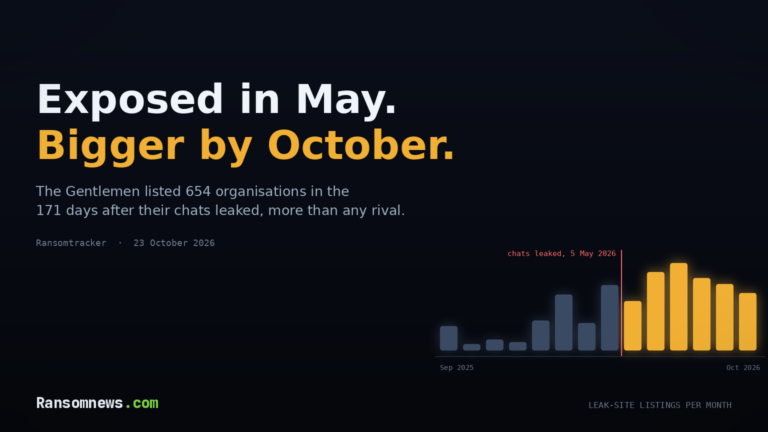
- The Gentlemen after the leak: 654 listings since May
 Dancho Danchev checks a copy of The Gentlemen’s leaked chats against six months of Ransomtracker data: 654 leak-site listings since 5 May 2026, more than any rival, 53 confirmed attacks, and no consequences for the crew.
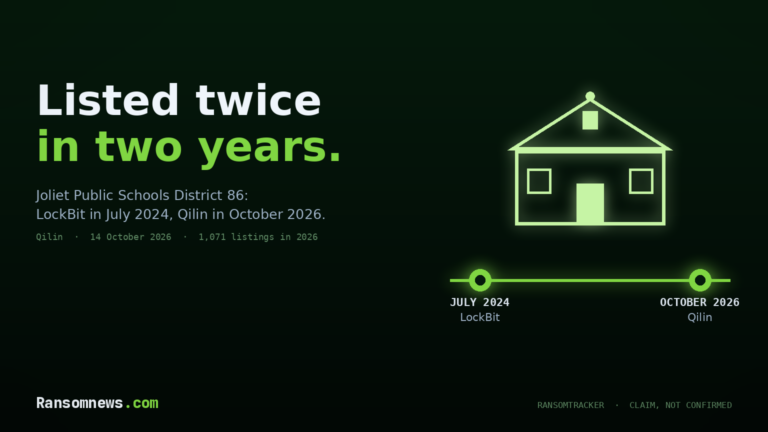
 - Qilin lists Joliet District 86, two years after LockBitQilin listed Joliet Public Schools District 86 on 14 October 2026, two years after LockBit claimed the same Illinois district. No data or deadline has been posted.
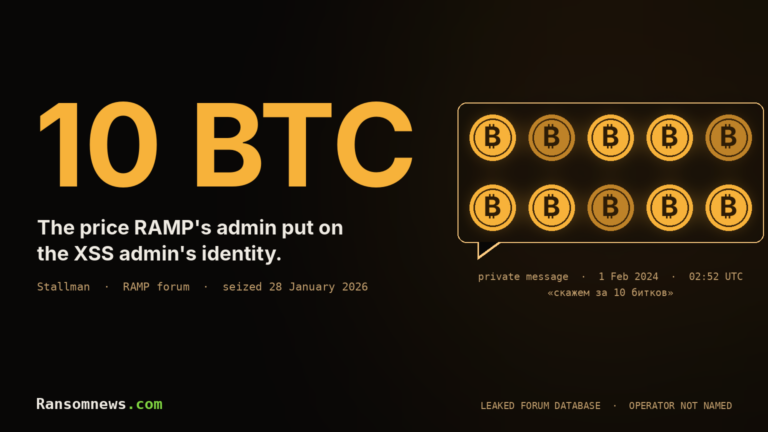
- RAMP admin Stallman: 10 BTC for the XSS admin’s identityRAMP’s administrator ran its escrow, bought US network access daily and offered LockBit the XSS admin’s identity for 10 BTC. Dancho Danchev reads the record.
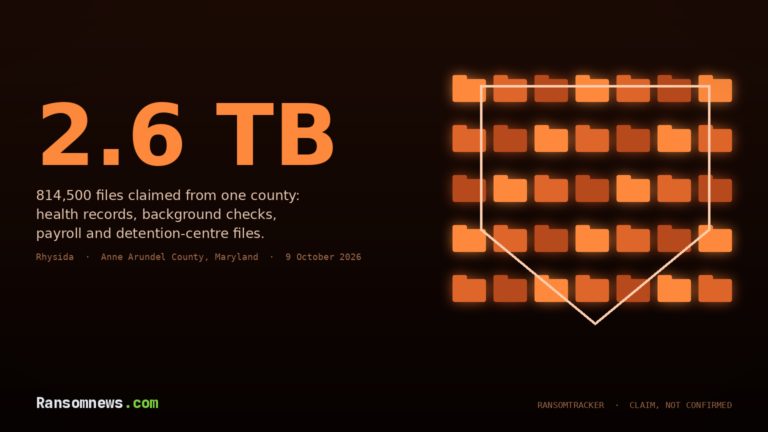
- Rhysida lists Anne Arundel County with a 2.6 TB claimRhysida claims 2.6 TB and 814,500 files from Anne Arundel County, Maryland, including health and background-check records. The county has not responded.
FOCUS
Ransomware
The defining cybercrime of the decade. How it works, who runs it, and where the money goes.
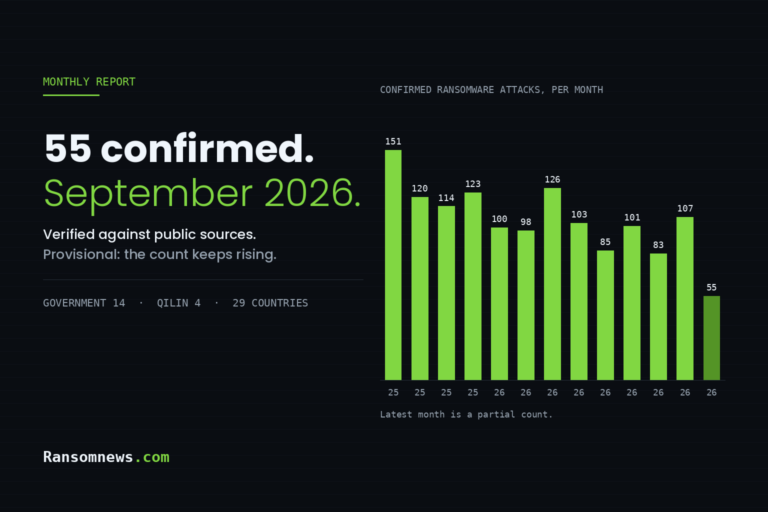
- Confirmed ransomware attacks, September 2026: 55 verified so far, Qilin and The Gentlemen lead
 Ransomnews has confirmed 55 ransomware attacks in September 2026, against 107 in August and 151 a year earlier. Provisional. Government led the sectors, Qilin and The Gentlemen the groups.
 - Is it illegal to pay a ransomware ransom in 2026?Paying a ransomware ransom is usually legal, but sanctions can make it a crime, and 2026 rules are tightening fast. The law in the US, UK, EU and Australia, and what paying still does not buy.
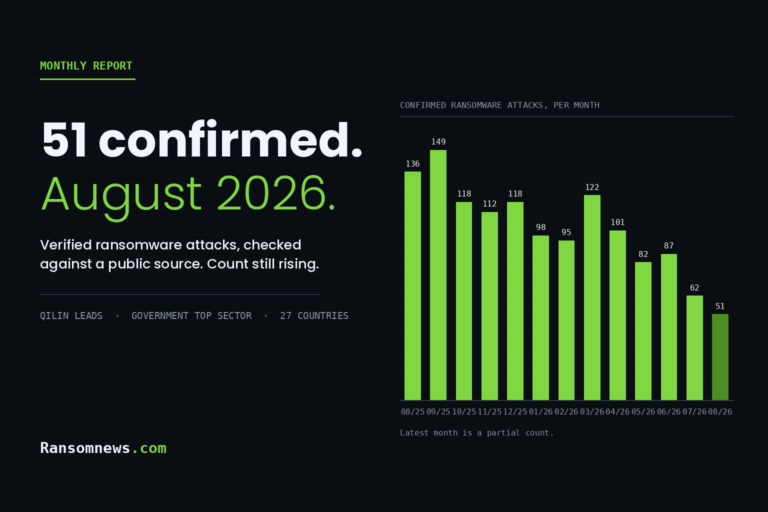
- Confirmed ransomware attacks, August 2026: 51 verified so far, Qilin leadsRansomnews confirmed 51 ransomware attacks in August 2026, down from 62 in July and 136 a year earlier. Qilin led with nine victims and government was the most affected sector.

PROFILES
Threat Groups
From LockBit and Conti to Akira and Cl0p, anatomies of the operations behind the headlines.
- Medusa ransomware: victims, tactics, and how to defend in 2026Medusa is a ransomware-as-a-service crew active since 2021, with 300+ claimed victims and 161 confirmed by Ransomnews. Its targets, tactics, biggest breaches and the defences that stop it.
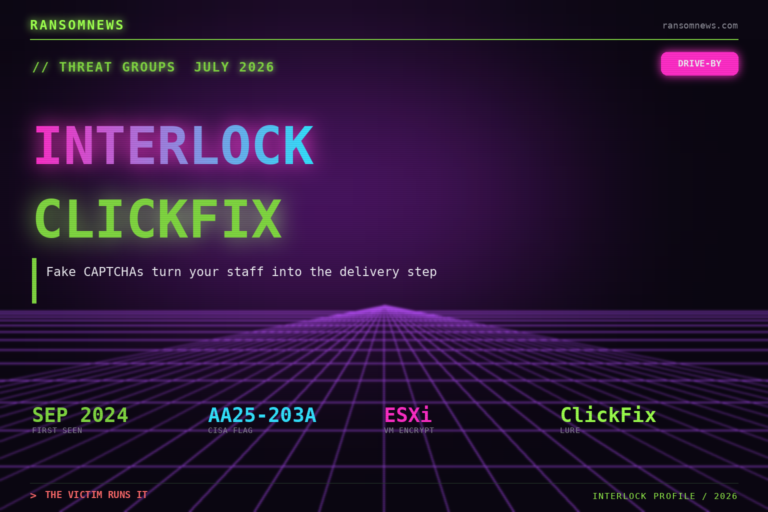
- Interlock: the drive-by ransomware crew CISA flaggedInterlock breaks the ransomware playbook, entering through compromised websites and fake CAPTCHAs. A joint CISA-FBI advisory mapped its TTPs. Here is the profile.
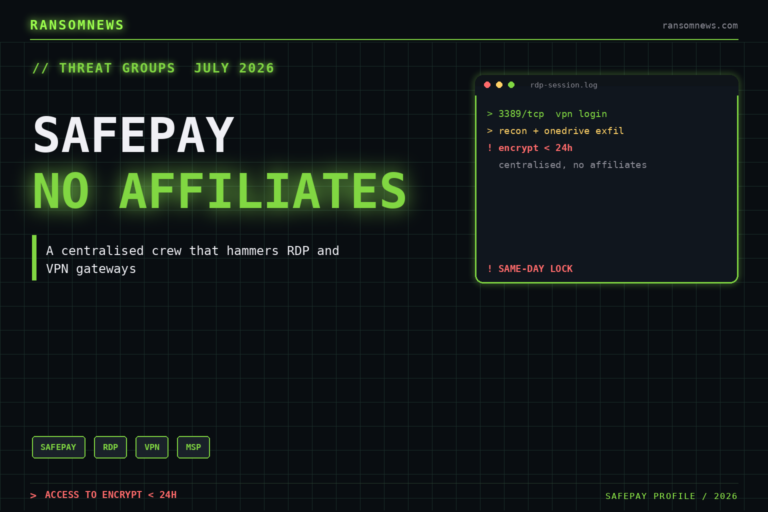
- SafePay: the centralised crew that skipped affiliatesSafePay went from unknown to one of the busiest ransomware crews in under a year by ditching affiliates and hammering RDP and VPN gateways. Here is how it works.

DEFENCE
Security
EDR, Zero Trust, MFA, patching, IR, what actually works against modern threats.
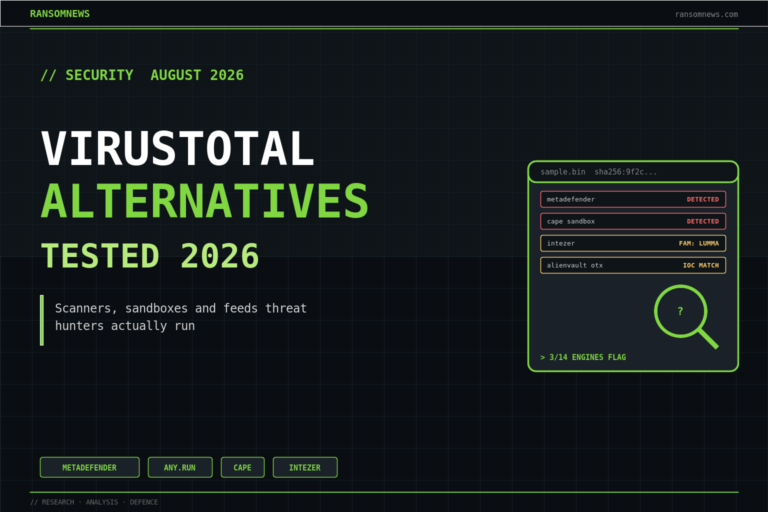
- Best VirusTotal alternatives 2026: what threat hunters runThe VirusTotal alternatives threat hunters run in 2026: MetaDefender, ANY.RUN, CAPE, Intezer and MalwareBazaar, compared by job, upload privacy and API.
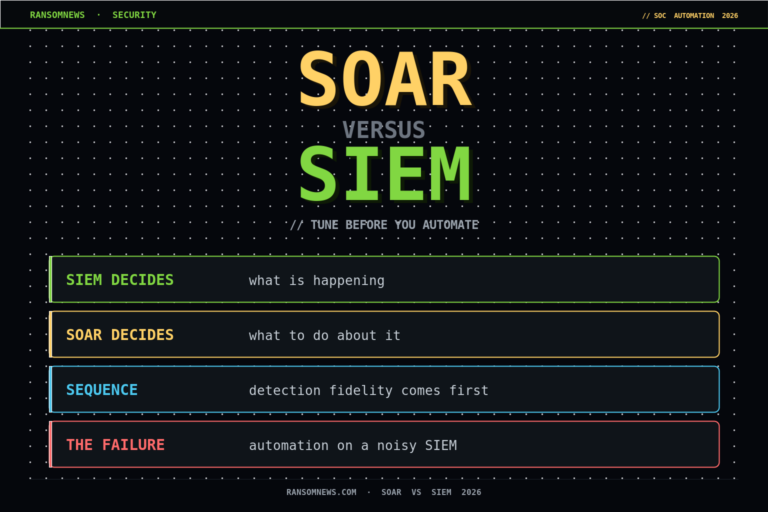
- SOAR vs SIEM 2026: tune before you automateSOAR vs SIEM in 2026: they were never alternatives. Gartner marked standalone SOAR obsolete, and the automation now ships inside your SIEM or XDR.
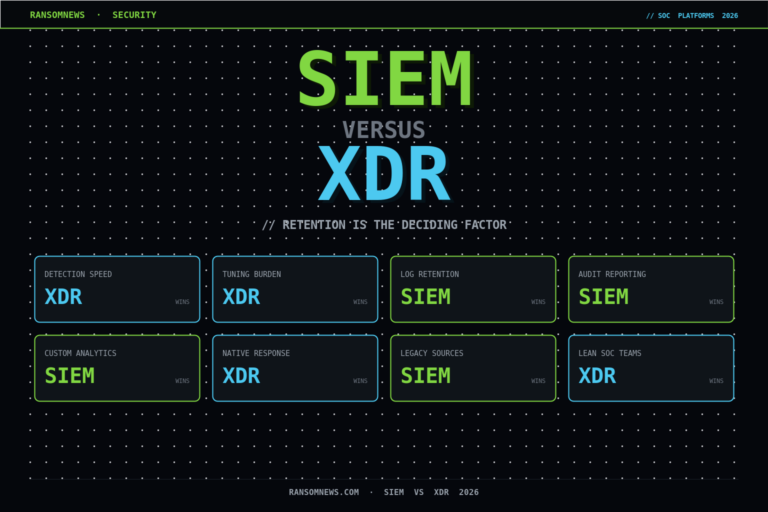
- SIEM vs XDR 2026: retention is the deciding factorSIEM vs XDR in 2026: XDR wins on detection speed, SIEM wins on retention and audit. Which one you can drop comes down to your compliance obligations.
SURVEILLANCE
Privacy
GDPR, data brokers, encryption, fingerprinting, VPNs, the surveillance economy and its limits.
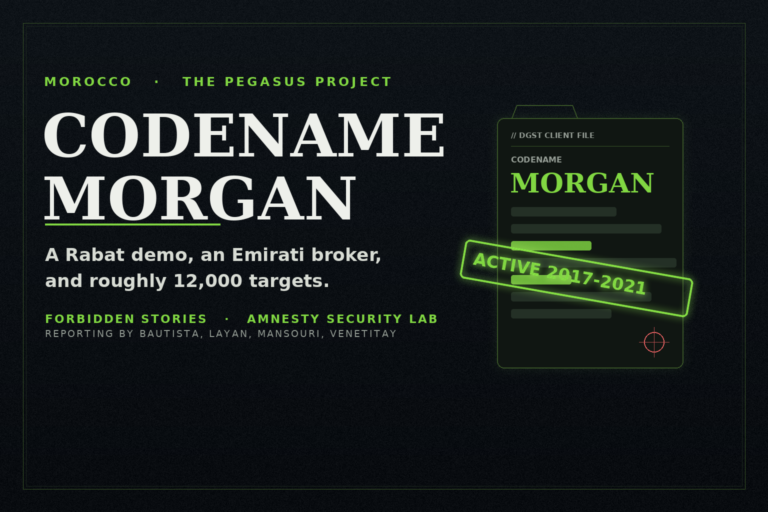
- Codename Morgan: inside Morocco’s Pegasus machineForbidden Stories names Morocco as NSO’s client “Morgan”: a 2017 Rabat demo, an Emirati broker, roughly 12,000 targets, and Pegasus traces on seven French ministers’ phones.
- Inside Pegasus: NSO’s own files reveal the machineUnsealed NSO Group court files, analysed by Amnesty’s Security Lab and Forbidden Stories, expose how Pegasus really works: a vendor-run spyware service, not a weapon sold and forgotten.
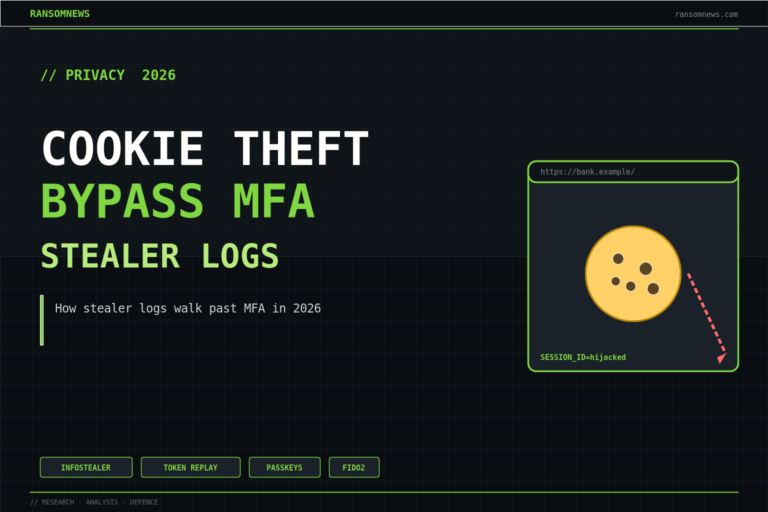
- Stealer logs bypassing MFA in 2026 [Field Guide]Multi-factor authentication was supposed to end the credential-theft era. In 2026, it hasn’t, because adversaries skip the credential entirely and steal the session cookie that the authentication produced. Here’s how the attack works, why MFA doesn’t stop it, and the four controls that do.
MACHINE LEARNING
AI
Prompt injection, deepfakes, model theft, the EU AI Act, security and policy at the frontier.
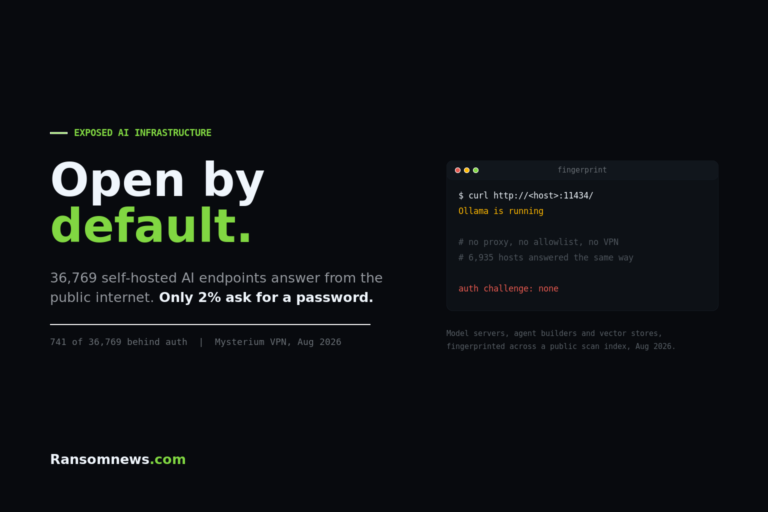
- 36,769 exposed AI endpoints, only 2% ask for a loginMysterium VPN counted 36,769 self-hosted AI endpoints reachable on the public internet. Only 2.02% return an authentication challenge, and that is a floor.
- What is slopsquatting? AI package hallucinations, explainedSlopsquatting is a supply-chain attack that weaponises the package names AI coding assistants invent. How it works, what the research measured, the real 2026 incidents, and how to defend an AI-assisted pipeline.
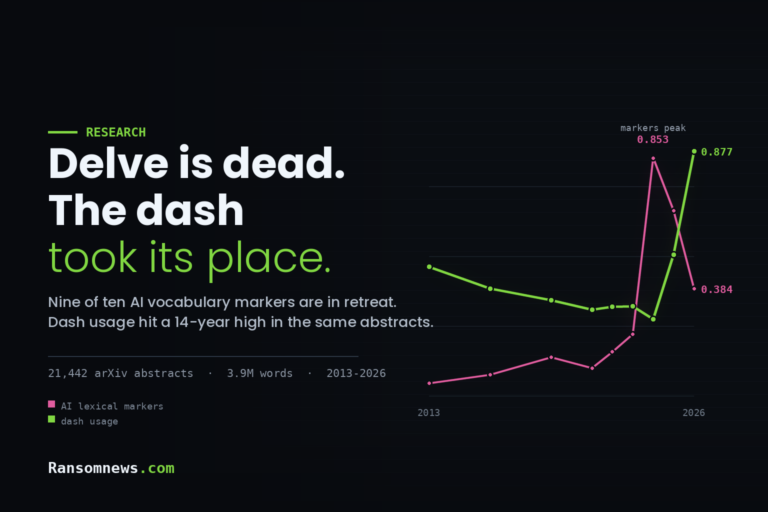
- “Delve” is dead: AI writing tells expire in 18 monthsThe word delve fell 94% from its 2024 peak while dash use doubled. We measured 21,442 arXiv abstracts: AI writing tells expire in about 18 months.

INVESTIGATIONS
OSINT
Tools, methods, and case studies from the open-source investigation discipline.
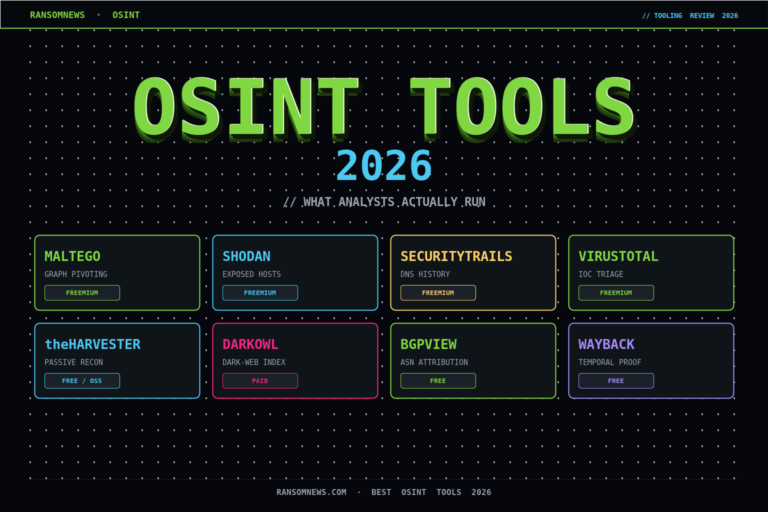
- Best OSINT tools 2026: what analysts actually runThe OSINT tools worth your time in 2026: Maltego, Shodan, SecurityTrails, DarkOwl, theHarvester and more, ranked by what they do and what they leak.
- Maltego tutorial: OSINT link analysis in 2026A hands-on 2026 guide to Maltego for OSINT: entities, transforms, machines and how to build a corroborated link chart from a single selector using the free Community Edition.
- GraphSense tutorial: open-source crypto tracing in 2026A hands-on 2026 guide to GraphSense, the open-source cryptoasset forensics platform: address clustering, TagPacks and how to trace ransom funds without a paid licence.
PRIMERS
Explainers
Long-form primers on the underlying concepts. Built to be referenced, not skimmed.
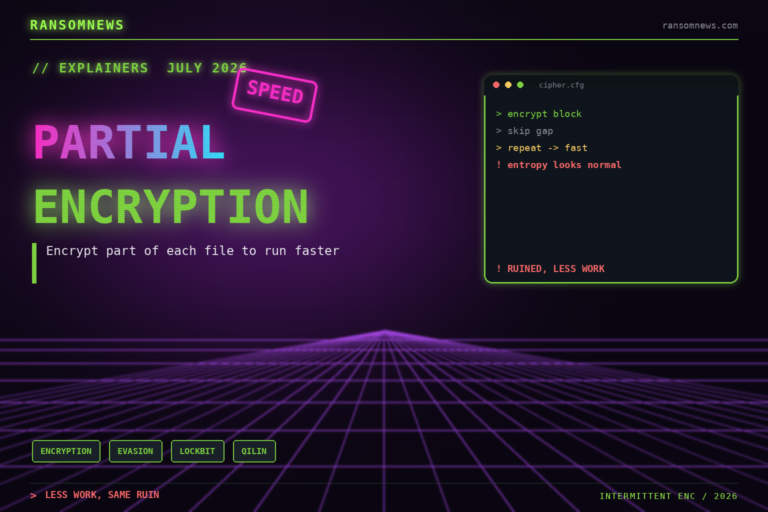
- What is intermittent encryption? A 2026 guideIntermittent encryption locks only parts of each file so ransomware runs faster and hides from detection. Here is how partial encryption works and how to catch it.
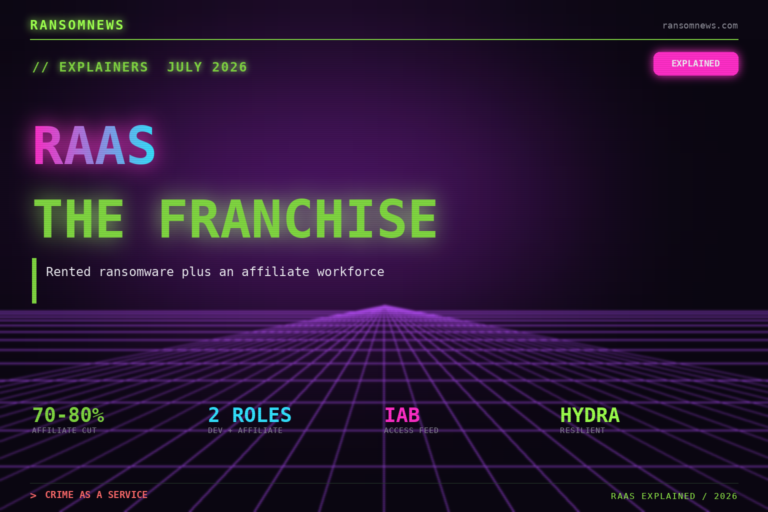
- What is RaaS? Ransomware-as-a-service, explainedRansomware-as-a-service splits ransomware into a rented product and an affiliate workforce. Here is how the RaaS model works and why it made attacks scale in 2026.
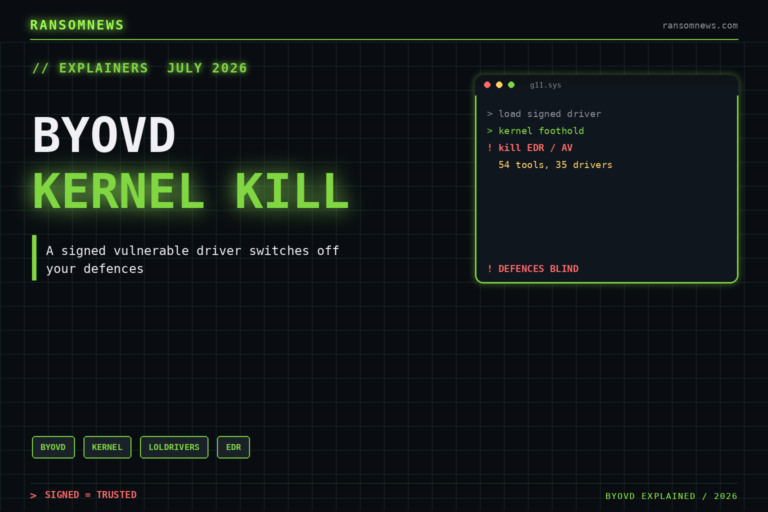
- What is BYOVD? Bring your own vulnerable driver, explainedBYOVD lets attackers load a legitimate but vulnerable signed driver to kill EDR from the kernel. Here is how it works and why ransomware crews rely on it in 2026.